
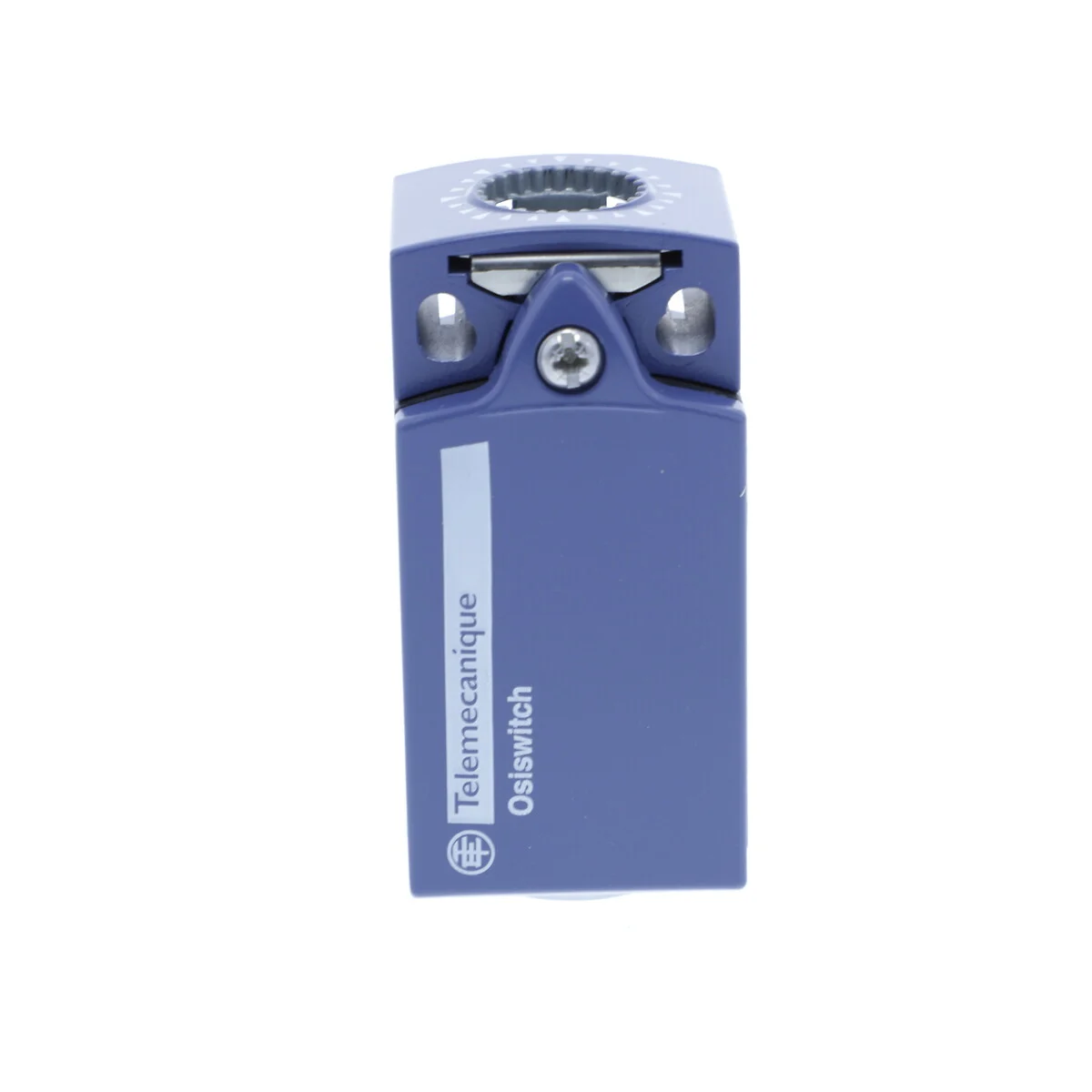
Telemecanique ZCY22 Limit Switch Lever: Ceramic Roller Lever for Stable Cam Tracking in XC Standard Systems
The Telemecanique ZCY22 Limit Switch Lever is an XC Standard lever accessory featuring a ceramic roller. In automation, roller material is not a trivial choice: it can influence wear behavior, friction consistency, and how reliably a cam surface actuates the switch across long cycles. ZCY22 is typically selected when engineers want a lever solution that supports repeatable cam engagement and can tolerate demanding mechanical contact conditions.
Plants that standardize XC Standard components often treat levers as part of a controlled mechanical interface strategy—especially when stations are sensitive to drift or wear. For related component families used in industrial automation, see Telemecanique sensor options frequently applied in maintenance catalogs.
What ZCY22 Is
ZCY22 is a limit switch lever accessory designed for compatible XC Standard operating heads (commonly within ZCE head ecosystems). It converts machine motion—often from a cam or ramp—into controlled actuation of the switch mechanism.
Telemecanique ZCY22 Key Technical Characteristics
- Product type: Limit switch lever (ZCY family)
- Movement: Rotary actuation behavior when installed
- Operator style: Roller lever, spring return, ceramic roller
- Approach: Lateral approach is typical for cam tracking setups
- Compatibility: Designed for use with defined XC Standard heads and bodies
Why Ceramic Roller?
Ceramic rollers are often considered when designers want stable rolling contact properties. Depending on cam materials and surface conditions, ceramic can provide consistent rolling behavior and reduced sensitivity to certain wear patterns. The goal is predictable engagement over time, not simply “harder material.”
Telemecanique ZCY22 Selection Guidance
- Cam sequencing: when a station uses a cam profile to trigger events
- Repeatability-critical stations: where drift creates downstream timing errors
- Wear management: when you want controlled rolling contact vs sliding friction
Telemecanique ZCY22 Installation Best Practices
1) Align the Cam Profile
The lever should be engaged smoothly and decisively. If the cam profile causes “hover” at the switching threshold, the result can be chatter. Adjust cam geometry or engagement depth to ensure a clean transition.
2) Verify Clearance for Full Return
Spring return levers must reset fully each cycle. Confirm no bracket or guard interference prevents the lever from returning to its neutral state.
3) Commission Under Real Speed
Hand-testing can be misleading. Validate switching under real operating speed, vibration, and temperature conditions. Many intermittent issues appear only during full-cycle production.
Typical Applications
- Packaging machinery sequencing with cams
- Indexing tables where mechanical truth signals are required
- Conveyors with reliable end position confirmation
FAQ
Is Telemecanique ZCY22 a complete switch?
No. It is a lever accessory. It must be installed on a compatible operating head/body assembly.
When should I choose a ceramic roller lever?
When you want stable cam tracking and predictable rolling contact behavior in stations sensitive to wear and switching drift.
Does lever choice affect electrical performance?
Lever choice mainly affects mechanical actuation quality. Electrical ratings are defined by the switch body/contact system.
What’s the most common setup mistake?
Partial actuation due to poor cam geometry or misalignment, which can create chatter and inconsistent PLC inputs.