
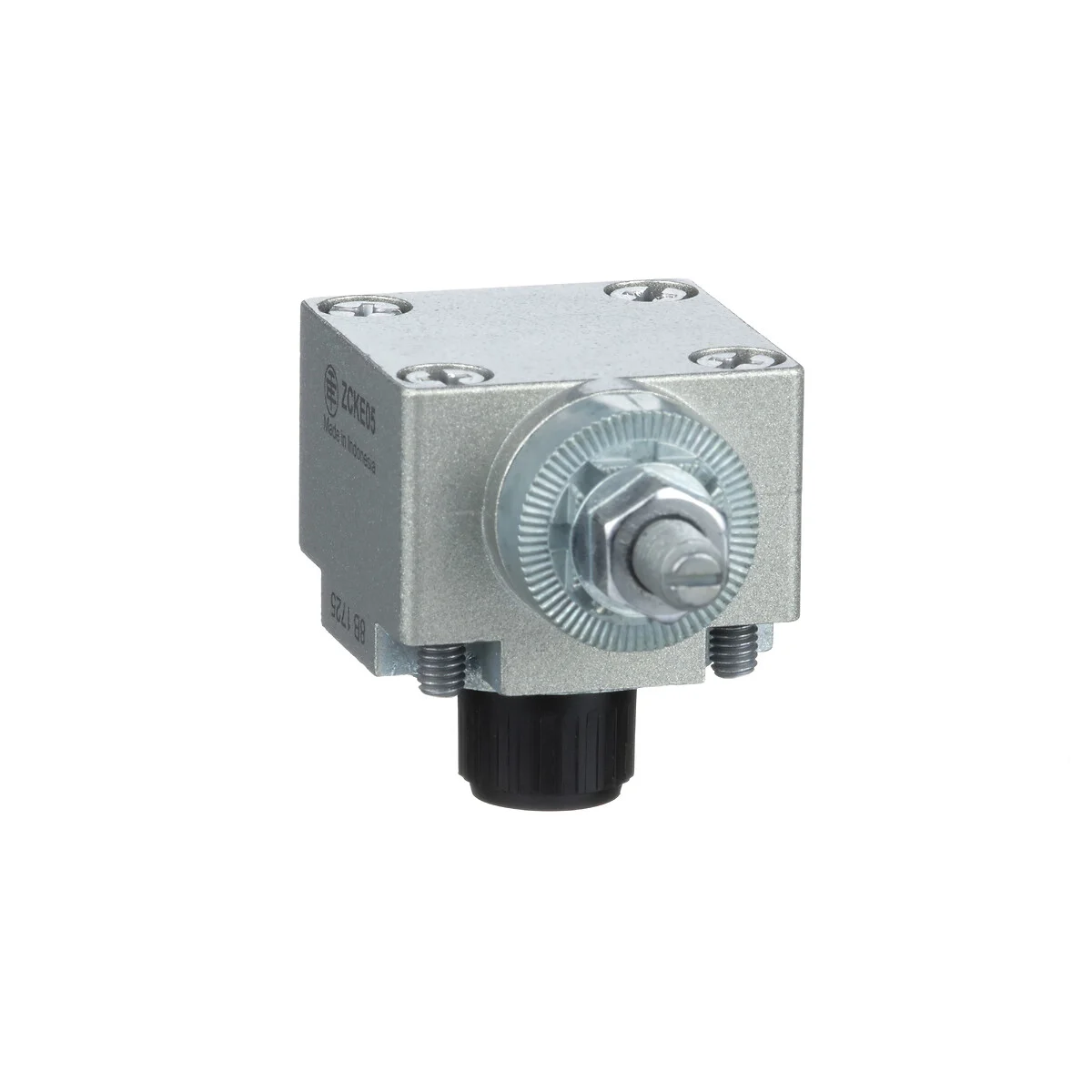
Telemecanique ZCKJ2 Limit Switch Body: XC Standard Snap-Action Core for Industrial Position Feedback
The Telemecanique ZCKJ2 Limit Switch Body is the core “electrical + mechanical switching” component within the XC Standard architecture. In practice, the body is the part you standardize for electrical behavior—contact configuration, termination style, enclosure strength—while operating heads are selected to match the motion geometry of each machine station. That modular strategy helps maintenance teams reduce downtime: one body family, multiple heads.
For teams building a consistent inventory approach, this is where XC Standard is operationally strong: you can keep bodies as common spares and swap heads as needed. You can also review related family items through Telemecanique sensor listings commonly used in industrial automation setups.
What Telemecanique ZCKJ2 Is in a Limit Switch Assembly
ZCKJ2 is a limit switch body. It is designed to accept compatible operating heads (for example, roller levers, plungers, rotary heads) that define how motion actuates the mechanism. The body houses the switching mechanism and terminals, and it defines electrical switching behavior.
Key Technical Characteristics
- Product type: Limit switch body (ZCKJ family, XC Standard)
- Action: Snap action switching behavior
- Body type: Fixed body format
- Cable entry: Typically 1 entry tapped for PG13.5 cable gland
- Material intent: Metal housing designed for industrial environments
Telemecanique ZCKJ2 Why “Snap Action” Matters
Snap action mechanisms transition decisively between states. That decisive switching helps reduce ambiguous mid-states that can cause PLC input chatter—especially on machines with vibration or slightly elastic actuation linkages.
How to Select the Right Operating Head for ZCKJ2
When specifying heads, don’t start with the part number—start with the machine motion:
- Linear push: consider plunger or roller plunger heads
- Cam tracking: roller lever heads can reduce wear
- Rotational engagement: rotary heads can match swinging elements
Then validate compatibility: head family + mounting interface + required actuation direction.
Installation Guidance (Practical)
1) Termination and Cable Gland Discipline
Correct gland sizing and strain relief is not a minor detail. Many “mystery faults” are actually cable movement causing intermittent terminal stress. Use proper gland torque and route cables to avoid repeated bending at the entry.
2) Mounting Rigidity
If the switch body is mounted on a flexible bracket, the switching point can drift under vibration. Use rigid mounting surfaces or add bracing so actuation remains repeatable.
3) Commissioning for Repeatability
Commission with the real machine cycle—not by hand actuation alone. Confirm the switch actuates reliably at operating speed and that the mechanism returns fully each cycle.
Typical Applications
- End-of-travel confirmation on conveyors and actuators
- Sequence interlocks on packaging and assembly machines
- Position verification on indexing tables and transfer lines
Telemecanique ZCKJ2 FAQ
Is ZCKJ2 usable without an operating head?
No. ZCKJ2 is a body. A compatible head is required to create a complete actuated limit switch assembly.
What is the advantage of the modular body + head approach?
It simplifies maintenance and reduces spare part variety. You can keep a standard body and swap heads to match different motion geometries.
Telemecanique ZCKJ2 What causes most field failures?
Misalignment, overtravel abuse, cable strain at the entry, and flexible mounting are common causes. Proper mechanical integration prevents most issues.
How do I confirm the correct cable entry hardware?
Match the tapped entry specification with the correct gland type and ensure strain relief is applied so cable movement does not load the terminals.