
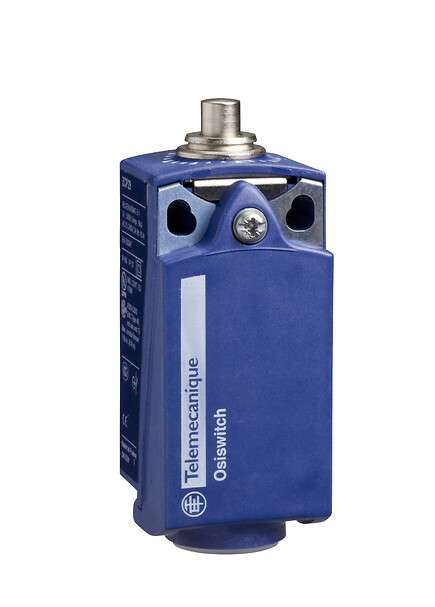
Telemecanique Sensors XZCP1865L10 Pre-Wired Connector: Straight Female 1/2″-20 UNF, 3 Pins, PUR Cable 10 m
The Telemecanique Sensors XZCP1865L10 pre-wired connector is part of the XZ cabling components portfolio used to connect sensors reliably in industrial environments. In real operations, a sensor system is rarely limited by sensing technology alone—many faults originate in cabling: connector strain, moisture ingress, vibration-induced micro-movement, or repeated flexing near the connector body.
Verified Technical Snapshot (Manufacturer Page + Datasheets)
The Schneider Electric product page identifies XZCP1865L10 as an XZ pre-wired connector: straight female, 1/2″-20 UNF, 3 pins, with a PUR cable, 10 m.
The manufacturer PDF datasheet for XZCP1865L10 provides drawings and wiring/scheme information for the connector, confirming it is the official document for this specific code.
A widely mirrored Schneider datasheet also lists electrical/environmental characteristics including IP67 protection and temperature ranges, supporting suitability for demanding field environments when installed correctly.
Why This Connector Format Is Common in Industrial Sensing
A straight female connector with a standardized thread (here, 1/2″-20 UNF) is often selected for compatibility with established sensor and proximity switch ecosystems. The benefit is not just mechanical fit; it is maintenance speed. When connectors are standardized, technicians can swap components quickly and with fewer mistakes—an operational advantage during downtime events.
The 3-pin format is widely used for simple DC sensor wiring (e.g., supply, 0V, and signal). The key in real plants is consistency: wire color conventions and pin assignments should match the site standard and be documented in panel drawings and maintenance SOPs.
Telemecanique Sensors XZCP1865L10 PUR Cable 10 m: Practical Implications
The product is specified with a PUR cable, 10 m. In practice, cable jacket material matters. PUR is commonly chosen for good resistance to abrasion and mechanical stress, making it suitable for machine-side routing where cables may contact trays, guards, or moving cable carriers.
That said, “10 m” should be treated as a design constraint: longer cable runs require thoughtful routing, strain relief, and avoidance of EMI-heavy paths—especially if the cable travels near motor drives or frequent switching loads.
Ingress Protection and Connector Discipline
Datasheet references note IP67 protection. In the field, the IP rating becomes real only when connector practice is correct: clean sealing surfaces, proper tightening torque, correct mating connectors, and mechanical protection to prevent impacts. Many “sensor faults” are actually connector sealing problems that show up after washdown or seasonal humidity changes.
Telemecanique Sensors XZCP1865L10 Installation Best Practices: Reduce Hidden Downtime
- Use strain relief: prevent cable weight or vibration from pulling on the connector interface.
- Avoid sharp bends near the connector: bending at the connector body causes conductor fatigue over time.
- Route away from high-energy cables: reduce the risk of electrical noise influencing signal quality.
- Label both ends: cable identification reduces maintenance time and prevents cross-connection errors.
Finally, treat wiring as a governed asset: match pinouts to drawings and validate operation after any maintenance intervention.
Telemecanique Sensors XZCP1865L10 Required internal link: Telemecanique sensor.
FAQ: Telemecanique Sensors XZCP1865L10
What is XZCP1865L10?
It is an XZ series pre-wired connector specified as straight female, 1/2″-20 UNF, 3 pins, with a PUR cable 10 m.
Where can I find the official wiring/dimensions?
The official product datasheet PDF provides drawings and connection schemes for XZCP1865L10.
Is it suitable for harsh environments?
Datasheet sources reference IP67 protection, which supports use in demanding environments when connectors are sealed and installed correctly.
What causes most connector-related faults?
Common causes are poor strain relief, repeated flexing near the connector, contamination on sealing surfaces, and insufficient tightening.