
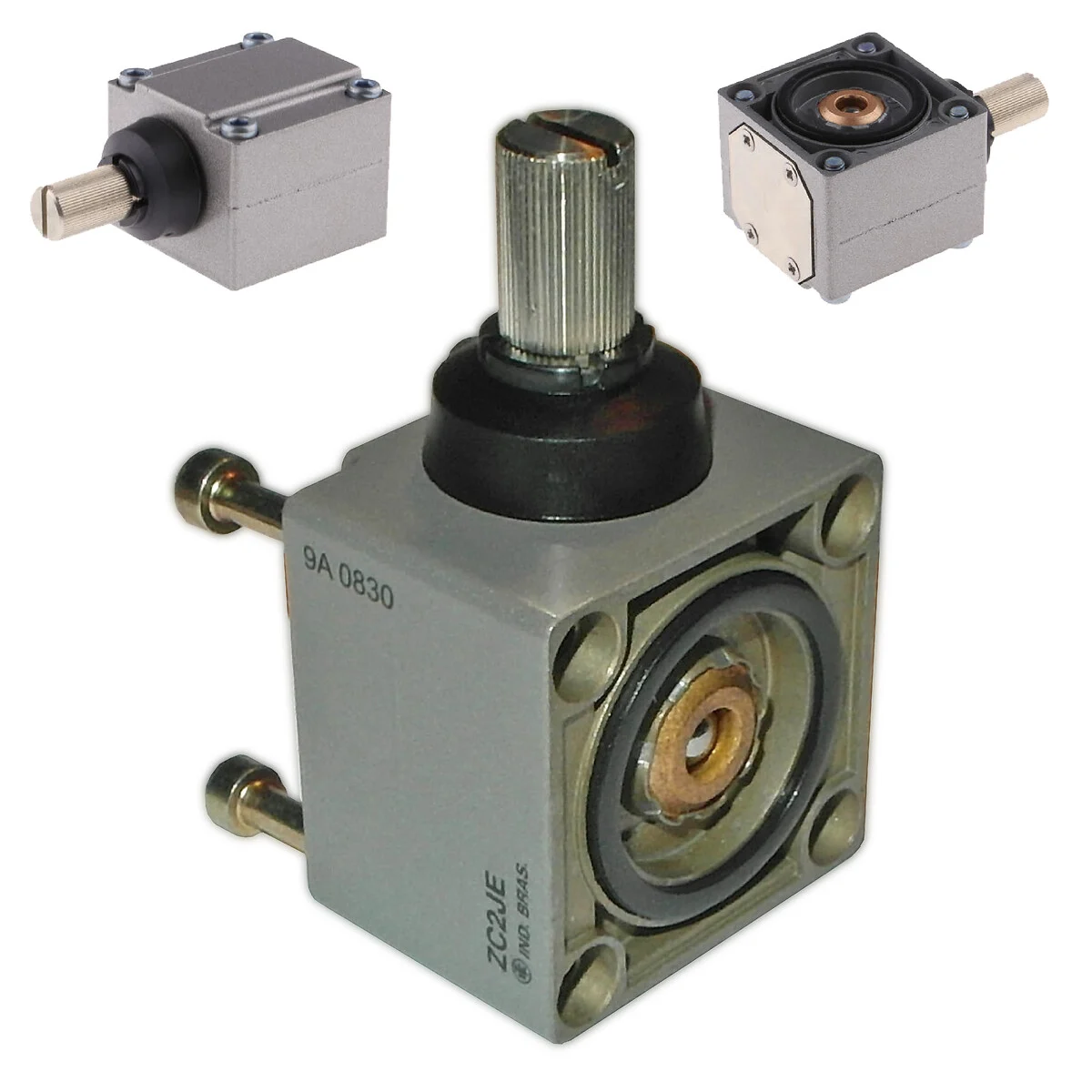
Telemecanique ZC2JY31 Limit Switch Lever: Thermoplastic Roller Lever (Variable Length) for ZC2J Systems
The Telemecanique ZC2JY31 is a limit switch lever designed for the ZC2J/XC2J special format limit switch ecosystem. It is described as a thermoplastic plastic roller lever with variable length, and an operating temperature range noted as -40…70°C. In modular limit switch design, the lever is not an accessory “afterthought”—it is the mechanical interface that defines how motion is translated into a repeatable switching event.
Why Lever Choice Impacts Machine Reliability
Limit switches are widely used for position feedback, end-of-travel detection, and interlocks. Yet many failures and false trips happen for a simple reason: the lever does not match the machine’s motion profile. The lever determines:
- actuation force and wear on the head mechanism,
- tolerance to misalignment (especially when approach angles vary),
- repeatability of the switching point,
- impact behavior when the machine cycles at speed.
A roller lever design is typically selected to reduce friction and wear when a cam or moving part slides past the contact point. Variable length provides flexibility: you can tune mechanical leverage and the actuation envelope without redesigning the switch body.
| Parameter | Value / Notes |
|---|---|
| Brand + Code + Type | Telemecanique ZC2JY31 limit switch lever |
| Lever type | Thermoplastic roller lever |
| Length | Variable length |
| Temperature range | -40…70°C |
| Compatibility | ZC2J / XC2J ecosystem (associated heads listed in datasheet family) |
How to Select and Apply a Roller Lever (Field-Proven Thinking)
- Cam surface quality: a roller can handle sliding better than a plain lever, but a sharp cam edge will still cause impact and wear. Smooth motion design matters.
- Adjustable length discipline: variable length is powerful; lock the configuration after setup and document it so future replacements match.
- Over-travel control: design to avoid excessive deflection. Over-travel can deform parts or change actuation point over time.
- Environmental fit: confirm chemical exposure and cleaning practices; thermoplastic components can be sensitive to certain solvents.
In practice, the best-performing limit switch installations treat the lever and cam as a mechanical subsystem. When you do this, you reduce the “mysterious intermittent” failures that often end up blamed on wiring or contacts.
Telemecanique ZC2JY31 System Context: Pairing with the Correct Head
Lever choice is meaningful only when paired with the correct head. In the ZC2J ecosystem, certain heads list ZC2JY31 as an associated lever (for example, ZC2JE04 lists ZC2JY31 among associated levers). That relationship is useful for engineering documentation: it ensures that the mechanical interface is supported by the family design intent.
For consistent internal cross-linking across your sensor content: Telemecanique sensor.
FAQ: Telemecanique ZC2JY31
Is ZC2JY31 a complete limit switch?
No. It is a limit switch lever that is combined with a compatible head/body in the ZC2J/XC2J system.
Why choose a roller lever?
A roller reduces friction and wear when a cam slides across the actuation point, improving durability in high-cycle machines.
What does “variable length” help with?
It allows tuning of leverage and actuation envelope. After setup, it should be locked and documented to keep replacements consistent.
How should I describe it in purchasing documents?
Use Telemecanique ZC2JY31 limit switch lever (Brand + code + type) plus: thermoplastic roller lever, variable length, -40…70°C.