
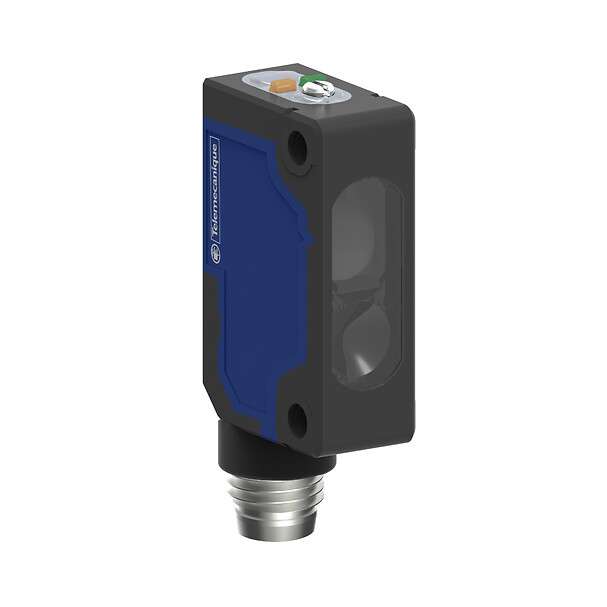
Telemecanique XUM9ANXBM8 Photoelectric Sensor for Industrial Automation
Reliable object detection is essential for modern automation systems. The Telemecanique XUM9ANXBM8 photoelectric sensor is designed to support stable detection performance in a wide range of industrial applications. As part of the well-known Telemecanique XU sensor family, this model provides accurate optical sensing for machine builders, automation engineers, and maintenance professionals working in manufacturing environments.
Understanding the Telemecanique XUM9ANXBM8 Photoelectric Sensor
The Telemecanique XUM9ANXBM8 photoelectric sensor is a compact industrial sensor designed for object detection in automated systems. Photoelectric sensors operate by emitting light and detecting the reflected signal from a target. This technology allows machines to identify the presence, absence, or position of objects quickly and accurately.
This sensor is commonly used in conveyor systems, packaging machinery, production lines, and automated material handling processes. Because it uses optical sensing technology, it can detect objects without physical contact, reducing wear and improving long-term reliability.
Key Technical Features of XUM9ANXBM8
The Telemecanique XUM9ANXBM8 photoelectric sensor operates on a typical 12–24 V DC power supply and uses a robust industrial housing designed for demanding environments. It features high switching frequency and fast response time, allowing the sensor to detect objects even in high-speed production lines.
The sensor is also designed with industrial protection features such as overload protection, reverse polarity protection, and durable enclosure materials. These characteristics ensure stable performance even in environments with vibration, dust, or changing lighting conditions.
Advantages of Photoelectric Sensors in Automation
Industrial automation systems often rely on photoelectric sensors because they provide fast, reliable detection without mechanical contact. The Telemecanique XUM9ANXBM8 photoelectric sensor is designed to support accurate object sensing in applications where consistent detection is required.
Unlike mechanical switches, optical sensors reduce wear and maintenance requirements. This is particularly valuable in high-cycle environments where machines operate continuously throughout production shifts.
Industrial Applications
The Telemecanique XUM9ANXBM8 industrial photoelectric sensor can be used in many types of automation systems, including:
- Conveyor object detection
- Packaging machine monitoring
- Material handling systems
- Assembly line automation
- Sorting and counting applications
Its compact design allows installation in machines with limited mounting space while still delivering consistent sensing performance.
For complete sensing solutions, visit Telemecanique sensor product resources.
Sensor Reliability in Industrial Environments
The Telemecanique XUM9ANXBM8 photoelectric sensor is engineered for industrial durability. Sensors installed in factories often face exposure to dust, vibration, and temperature variations. Reliable housing materials and electrical protection features help ensure long operational life.
These characteristics make the sensor suitable for OEM machinery, factory automation projects, and retrofit installations where stable detection is essential.
FAQ
What is the Telemecanique XUM9ANXBM8?
It is an industrial photoelectric sensor designed for object detection in automation systems.
Where is XUM9ANXBM8 typically used?
The sensor is commonly used in conveyors, packaging equipment, and automated production lines.
Why use a photoelectric sensor instead of a mechanical switch?
Photoelectric sensors detect objects without contact, reducing wear and improving system reliability.
Is the XUM9ANXBM8 suitable for industrial environments?
Yes, it is designed for demanding environments and offers durable construction and electrical protection features.
Can the sensor be integrated with PLC systems?
Yes, photoelectric sensors like the XUM9ANXBM8 are commonly connected to PLC inputs in automation systems.