
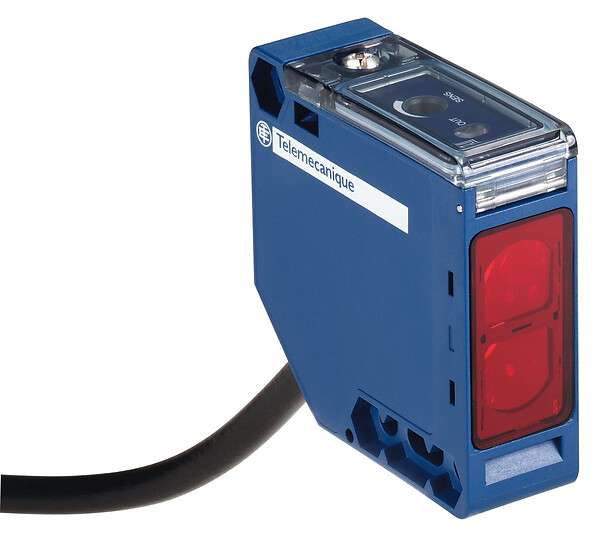
Telemecanique XUK1ARCNL2-SM-12 Photoelectric Sensor: Reflex Detection with Sn 7 m and Wide AC/DC Supply
The Telemecanique XUK1ARCNL2-SM-12 photoelectric sensor is a reflex (retro-reflective) photoelectric sensing device designed for industrial presence detection where a reflector-based optical path provides repeatable performance across a variety of targets. This model is part of the XU / XUK photoelectric sensor portfolio and is specified with a long sensing distance class and a wide supply voltage envelope suitable for mixed control panels that standardize on AC/DC field power. The Telemecanique XUK1ARCNL2-SM-12 photoelectric sensor is engineered for stable detection in conveyor verification, end-of-line checks, and machine infeed/outfeed monitoring where the target interrupts or modulates the reflected beam.
Product identity and “brand + code + product type” governance
- Brand + code + type: Telemecanique XUK1ARCNL2-SM-12 photoelectric sensor
- Sensing mode: Reflex (retro-reflective) photoelectric sensing
- Rated sensing distance class: Sn 7 m
- Supply voltage: 24…240 VAC/DC
- Output concept: Relay output (SPDT switching form)
- Cable: Factory cable, 2 m class
- Indication: Green LED for supply, yellow LED for output state
Core characteristics of the base XUK1ARCNL2 platform are published for the family reference.
Reflex sensing method: what the optical geometry delivers
In reflex mode, the Telemecanique XUK1ARCNL2-SM-12 photoelectric sensor emits a light beam toward a reflector and evaluates the returned signal. Detection occurs when the target interrupts the beam path or reduces the returned intensity beyond the switching threshold. This geometry is valued because it separates installation into two controlled points: the sensor mounting and the reflector mounting. When both are mounted on rigid machine datums, the optical corridor remains stable over time, which supports predictable station behavior under vibration and maintenance access.
Wide supply voltage: AC/DC panel compatibility
The Telemecanique XUK1ARCNL2-SM-12 photoelectric sensor is specified for a wide 24…240 VAC/DC supply range, supporting installations where control cabinets may provide either AC or DC field distribution.
In practice, wide-range devices simplify multi-line standardization because the same sensor reference can be used across different machine generations and panel conventions. Engineering governance should still document the actual supply type and protective devices used so commissioning and troubleshooting remain consistent.
Relay (SPDT) output behavior and control integration
Relay output is a key functional attribute of the Telemecanique XUK1ARCNL2-SM-12 photoelectric sensor. A relay (SPDT) provides a dry-contact style interface that can switch various control voltages within its rating envelope.
This is often selected when the sensor must interface with legacy relay logic, safety interlocks that expect a contact, or mixed-voltage signaling. For stable operation, control designers should size protective elements appropriately and keep switching duty within the relay’s intended use profile. The goal is consistent switching without contact stress that could shorten lifecycle.
LED indicators: commissioning clarity and maintenance speed
The base platform lists a green LED for supply and a yellow LED for output state.
In practical commissioning, these indicators provide immediate verification that the device is powered and that the optical corridor is switching as expected during target movement. In maintenance, LED-based quick checks reduce diagnostic time by confirming whether an apparent “sensor fault” is truly a sensor issue or a wiring/reflector alignment issue.
The “SM-12” suffix: variant governance without redefining the core platform
The suffix in Telemecanique XUK1ARCNL2-SM-12 photoelectric sensor is commonly used in the field as an ordering or configuration suffix that distinguishes a project or channel variant while the core sensing platform remains the XUK1ARCNL2 reflex sensor family.
From a documentation standpoint, this makes it essential to keep the exact procurement identifier in the BOM and maintenance spares list. Doing so prevents substitution errors and ensures the installed variant matches the project baseline.
Installation discipline: reflector alignment and optical corridor stability
To keep the Telemecanique XUK1ARCNL2-SM-12 photoelectric sensor stable in production, treat alignment as a controlled mechanical task:
- Mount the sensor and reflector on rigid surfaces to prevent micro-shifts.
- Define a clear optical line-of-sight and avoid reflective backgrounds in the beam corridor.
- Route the 2 m cable with strain relief so cable forces do not twist the housing.
- Validate switching with worst-case target speed and worst-case ambient contamination.
- Record final alignment references so replacements can be returned to the same corridor quickly.
For broader portfolio context, see Telemecanique sensor.
FAQ
- Is XUK1ARCNL2-SM-12 a diffuse sensor?
No. The Telemecanique XUK1ARCNL2-SM-12 photoelectric sensor is specified as a reflex (retro-reflective) sensor using a reflector. - What is the sensing distance class?
The base family reference specifies Sn 7 m. - What supply range does it support?
The family reference lists 24…240 VAC/DC. - What output style is used?
It uses a relay output (SPDT style switching form) for flexible control integration. - What are the visible indicators?
The reference lists a green LED for supply and a yellow LED for output state.