
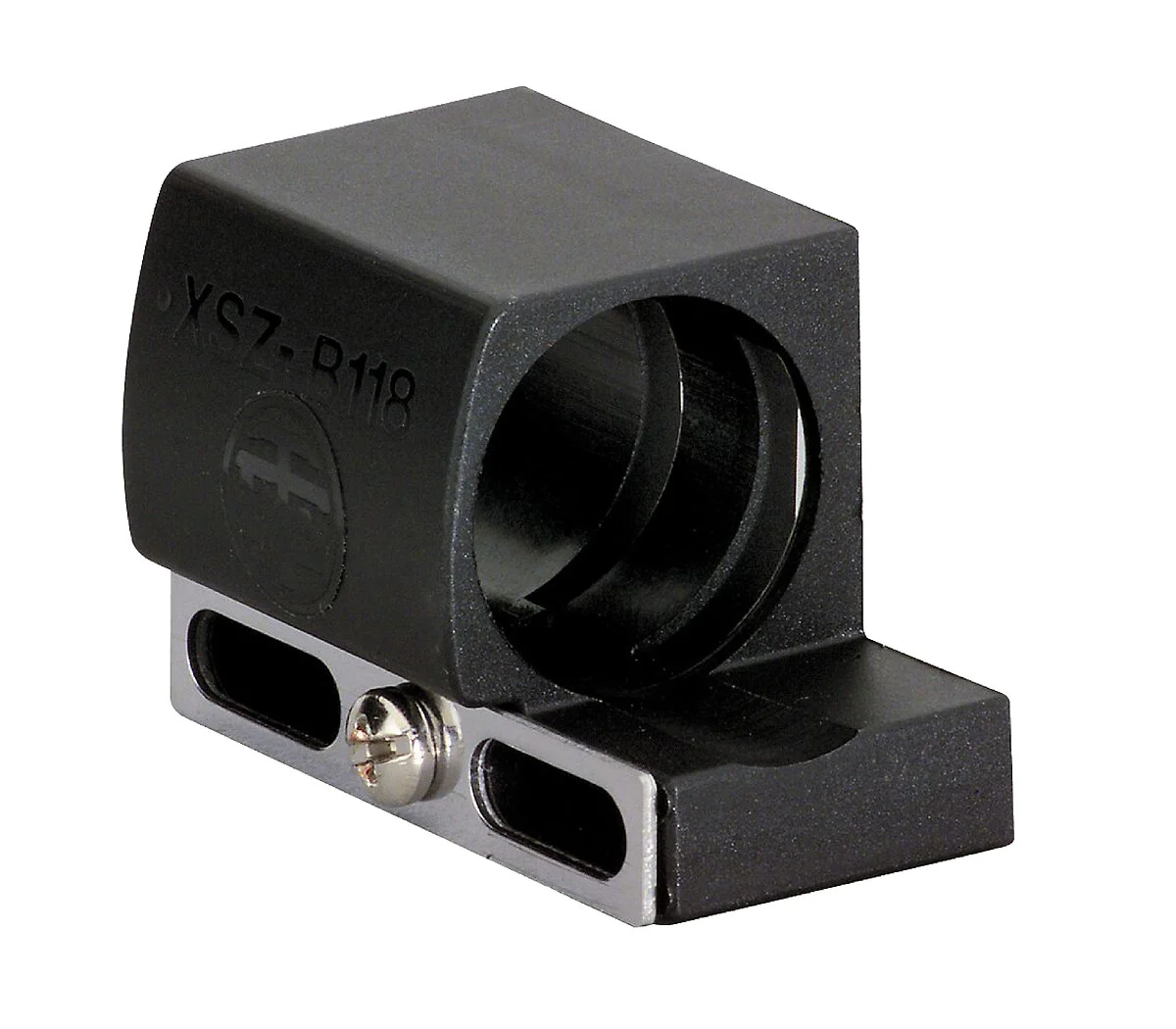
Telemecanique Sensors XS118BLPAL2 Inductive Proximity Sensor: M18 Detection with 5 mm Sensing Distance
The Telemecanique Sensors XS118BLPAL2 inductive proximity sensor is designed for non-contact detection of metallic targets in industrial automation lines where reliability and repeatability matter more than mechanical travel. Built in a cylindrical M18 format with a 5 mm nominal sensing distance, this model supports stable presence detection for moving machine parts, fixtures, and metal components. It operates on 12–24 VDC and uses a 3-wire discrete output with a PNP normally open switching function, delivered through a 2 m fixed cable.
Why the XS118BLPAL2 Is Used for Metal Presence Decisions
In many machines, a single, dependable “metal detected” signal is the foundation of sequencing. The Telemecanique Sensors XS118BLPAL2 inductive proximity sensor delivers that discrete signal without physical contact, helping reduce wear-related failures that can occur with mechanical limit switches. This makes it suitable for repeated cycles in packaging, assembly, material handling, and general-purpose automation where components pass the sensor face thousands of times per shift.
Because the device is inductive, it responds to conductive targets rather than color, reflectivity, or ambient light. That distinction is important in dusty or oily environments where optical sensing can become inconsistent if lenses are contaminated. The Telemecanique Sensors XS118BLPAL2 inductive proximity sensor keeps the detection logic focused on what the controller needs: whether a metal target is present in the defined sensing zone.
Technical Identity in Plain Terms
This model is specified as an M18 cylindrical inductive sensor with a 5 mm nominal sensing distance and a discrete output architecture. The 12–24 VDC supply band aligns with common PLC input power systems, and the PNP normally open output supports standard sourcing-type digital inputs. The fixed 2 m cable supports straightforward wiring in fixed machinery where plug-in connectors are not required for quick swapping.
When specifying the Telemecanique Sensors XS118BLPAL2 inductive proximity sensor, the most practical engineering step is to confirm that the mechanical design can keep the metal target within the effective sensing distance under vibration and tolerance stack-up.
Installation Approach That Improves Stability
Mechanical mounting quality directly impacts signal stability. Install the sensor in a rigid bracket or threaded mount to prevent micro-movement. Align the sensing face so the target approaches consistently, rather than “glancing” past the edge. Cable routing matters as well: avoid tight bends at the cable exit and protect the cable from abrasion.
- Alignment: Maintain a consistent approach path of the target relative to the sensor face.
- Clearance management: Keep enough physical margin so normal vibration does not push the target outside the sensing zone.
- Cable protection: Use strain relief and route away from sharp edges or moving elements.
If multiple sensors are installed close together, keep adequate spacing so their electromagnetic fields do not interfere. This improves repeatability for the Telemecanique Sensors XS118BLPAL2 inductive proximity sensor in compact assemblies.
Commissioning: Confirm Repeatability, Not Just “It Works”
Commissioning should validate repeatable switching under real operating conditions. Confirm the PLC reads the expected state when the target is present and absent. Then run the machine at production speed and observe whether any vibration, mechanical bounce, or temperature changes affect detection. If intermittent detection occurs, the most common root cause is mechanical misalignment or insufficient margin in target distance—not an electrical fault.
When tuned correctly, the Telemecanique Sensors XS118BLPAL2 inductive proximity sensor becomes a dependable digital reference point for automation sequences such as indexing confirmation, part-in-place verification, and end-stop presence.
Maintenance Perspective
Inductive sensors typically require minimal maintenance. Periodically confirm the mounting remains tight and the sensing face is not blocked by metallic debris buildup. Inspect the cable for cuts or crushing near clamps. If a fault appears, diagnose alignment and wiring first before replacement. In many cases, restoring the target path resolves the issue quickly.
For related product families and selection context, visit Telemecanique sensor.
FAQ
1) What is the XS118BLPAL2 used for?
The Telemecanique Sensors XS118BLPAL2 inductive proximity sensor is used for non-contact detection of metallic targets to provide a discrete presence signal.
2) What is the sensor size and form factor?
It is a cylindrical M18 inductive proximity sensor.
3) What sensing distance is specified?
It is specified with a 5 mm nominal sensing distance.
4) What electrical output does it provide?
It provides a PNP normally open discrete output in a 3-wire configuration.
5) What connection type is used?
It uses a fixed 2 m cable connection.