
Telemecanique Sensors XMLR400M1P25 Pressure Sensor: 400 bar High-Pressure Monitoring with 4–20 mA Output
The Telemecanique Sensors XMLR400M1P25 pressure sensor is engineered for very high-pressure environments where continuous monitoring and reliable switching control are equally important. Rated for 400 bar systems, this electronic pressure transmitter integrates a 4–20 mA analogue output and a PNP switching output within a robust industrial housing.
High-Pressure Operational Context
Systems operating at 400 bar are typically found in heavy-duty hydraulic applications, forming equipment, and industrial test rigs. At these levels, pressure spikes and dynamic shock can accelerate component wear. The Telemecanique Sensors XMLR400M1P25 pressure sensor provides continuous data to help engineers detect stress patterns and optimize cycle parameters.
Integration Profile
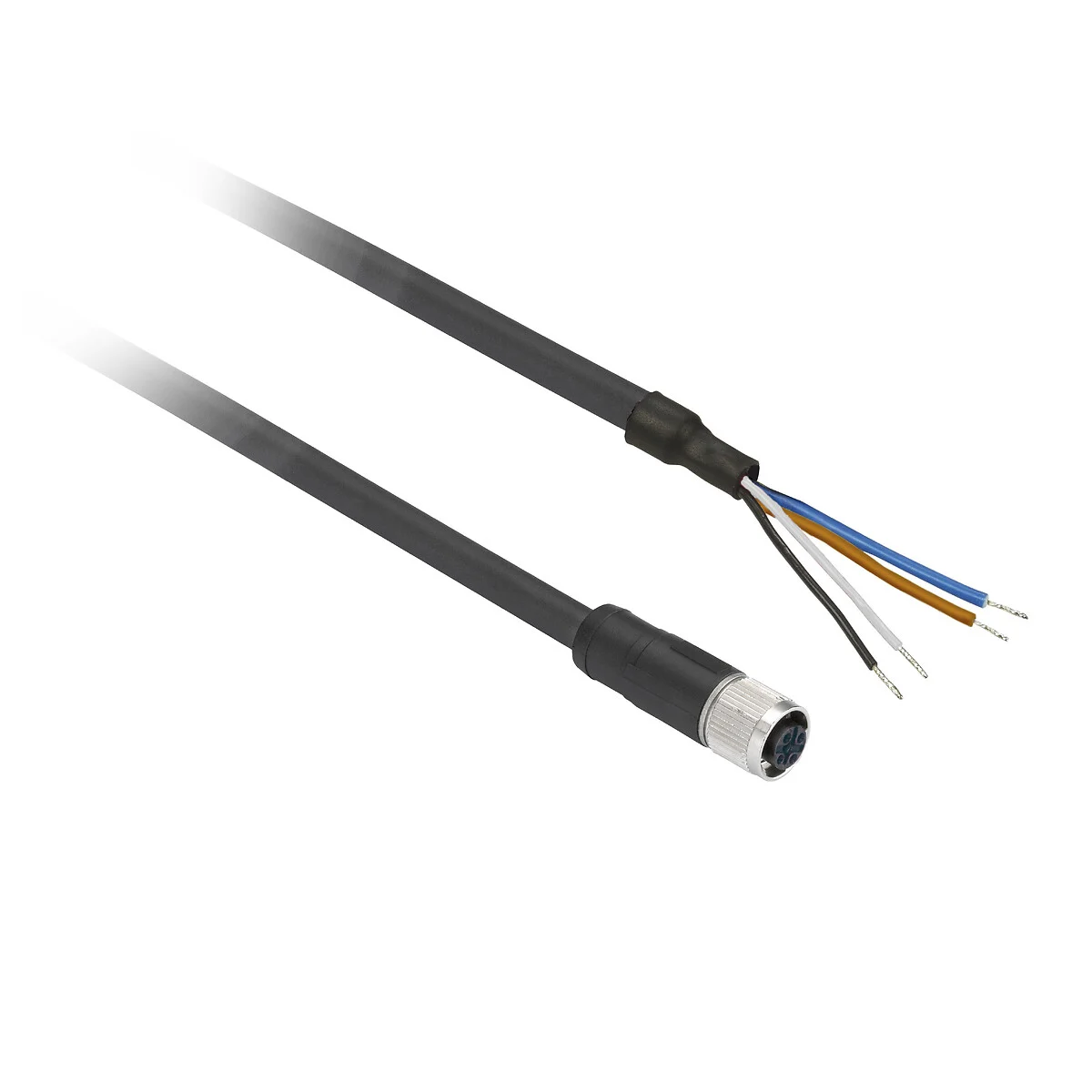
The analogue output ensures compatibility with PLC monitoring and data logging systems. The PNP switching output allows setpoint-based alarms or sequence interlocks. The M12 connector supports secure wiring in vibration-prone environments.
Installation Strategy
When installing the Telemecanique Sensors XMLR400M1P25 pressure sensor, ensure the process port is properly sealed and rated for the system’s maximum pressure. Avoid mounting at points where hydraulic shock is excessive unless spike detection is required for diagnostics.
Commissioning
Confirm correct analogue scaling and validate switching thresholds with a calibrated reference. Monitor pressure during real operational cycles to identify peak values and confirm stable behavior.
Maintenance Advantages
Continuous measurement allows trend analysis. Rising peak pressure may indicate valve mis-timing, while reduced steady-state pressure may reveal leakage or pump inefficiency. The Telemecanique Sensors XMLR400M1P25 pressure sensor supports proactive maintenance planning.
For related product lines, visit Telemecanique sensor.
FAQ
1) What is XMLR400M1P25?
A 400 bar electronic pressure sensor with analogue and switching outputs.
2) What is its main benefit?
Continuous high-pressure monitoring combined with deterministic switching logic.
3) What output does it provide?
4–20 mA analogue and one PNP switching output.
4) Where is it typically installed?
In high-pressure hydraulic systems and industrial heavy-duty applications.
5) What does trend data help identify?
Pressure spikes, drift, and early signs of mechanical wear.