
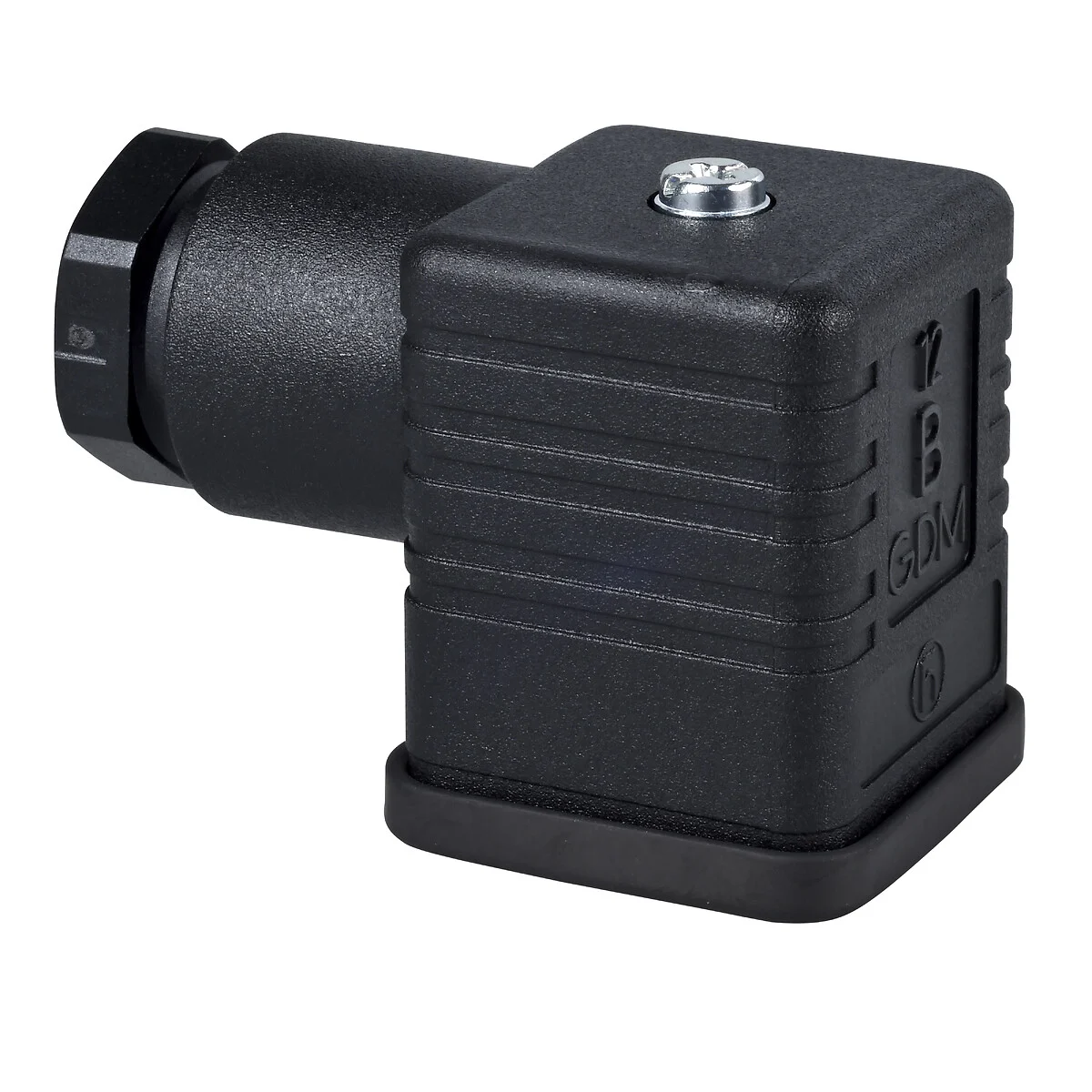
Telemecanique Sensors XMLP010BD21F Pressure Transmitter: 0–10 bar Continuous Monitoring with 4–20 mA
The Telemecanique Sensors XMLP010BD21F pressure transmitter is designed for applications where a controller benefits from continuous visibility rather than a single threshold decision. In many plants, pressure is more than a “go/no-go” condition. It is a performance indicator: it reveals leaks, restrictions, unstable regulators, and pump degradation long before a line stops. A 4–20 mA transmitter supports that operational maturity by delivering a stable analog signal that can be trended, alarmed, and correlated with production outcomes.
What XMLP010BD21F Is Specified To Provide
The Telemecanique Sensors XMLP010BD21F pressure transmitter is referenced as an XMLP pressure transmitter for 0–10 bar, with 4–20 mA output, a G 1/4A male process connection, and M12 electrical connection. Distributor specifications also commonly reference a supply range aligned to typical control systems, supporting integration into PLC analog inputs without complex conversion.
In practical automation terms, this means: wire it as a current loop, scale it in the PLC, and use it as a real-time process input rather than an event trigger.
Telemecanique Sensors XMLP010BD21F Why 4–20 mA Is a Strategic Choice
Factories are electrically noisy: drives, contactors, solenoids, and long cable runs can degrade weak signals. A 4–20 mA loop is widely favored because it remains readable over distance and is less sensitive to voltage drop than voltage-based sensors. It also supports clear fault detection: if the loop current falls to an abnormal value, many PLCs can flag a wiring issue quickly.
For the Telemecanique Sensors XMLP010BD21F pressure transmitter, that translates into dependable signal transport from the field to the cabinet, which is the foundation for stable control and reliable alarms.
Application Fit: Where Continuous Pressure Data Pays Off
Continuous measurement is useful in scenarios like:
- Pneumatic quality: tracking pressure stability to prevent intermittent actuator behavior
- Process water lines: monitoring pressure decay to detect leaks early
- Machine diagnostics: correlating pressure trends with cycle time changes
- Predictive maintenance: identifying slow drift before failures occur
These use cases are often where continuous pressure measurement delivers the fastest ROI—because it changes troubleshooting from reactive to evidence-based.
Telemecanique Sensors XMLP010BD21F Installation: Keep the Signal Honest
Installation quality determines measurement quality. The best practice is to mount the transmitter where it sees representative pressure, not where it sees turbulence or pulsation from a valve outlet. Avoid sharp pressure spikes when possible, because they can introduce noise and long-term mechanical stress.
On the electrical side, route the cable away from high-power lines, maintain clean grounding strategy, and verify the PLC analog input is configured for a 4–20 mA loop. Many “sensor problems” disappear once wiring discipline is corrected.
Commissioning: Scale, Correlate, Stabilize
Commissioning should confirm three outcomes:
- Scaling is correct: 0–10 bar maps accurately to the PLC engineering units.
- Correlation is real: compare to a trusted gauge during initial validation.
- Signal is stable: observe the trend under normal operation for noise or drift.
If noise is present, investigate cable routing and pressure pulsation first. If drift appears, evaluate temperature effects and process variability. The transmitter is often exposing a process characteristic that was previously invisible.
For broader Telemecanique product context, visit Telemecanique sensor.
Telemecanique Sensors XMLP010BD21F FAQ
1) What is XMLP010BD21F?
It is a pressure transmitter that provides a continuous analog output for monitoring and control.
2) What measurement range is referenced?
It is referenced for 0–10 bar.
3) What output signal is referenced?
It is referenced with a 4–20 mA output.
4) What connections are referenced?
It is referenced with a G 1/4A male process connection and an M12 electrical connection.
5) What causes unstable readings most often?
Pressure pulsation near valves and poor cable routing/grounding are frequent root causes.