
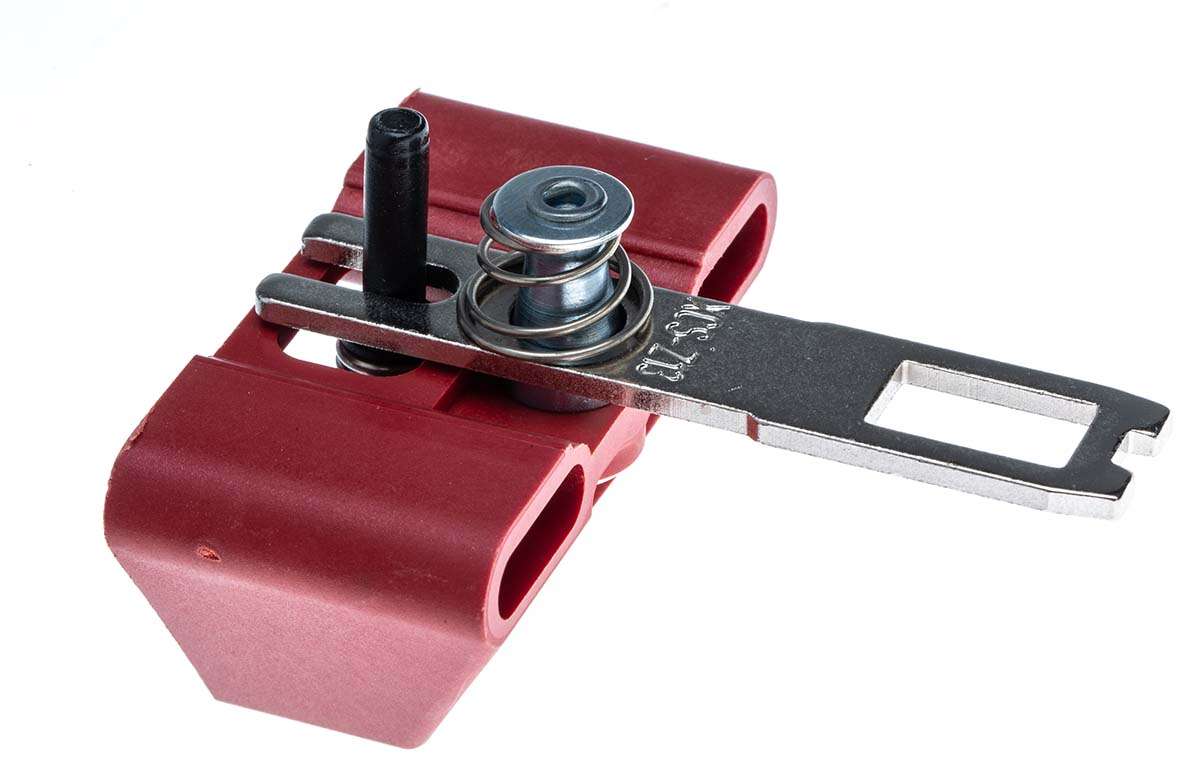
Telemecanique Sensors XCSZ13 Actuator Key: Pivoting Actuator for Plastic XCS Safety Interlocks
The Telemecanique Sensors XCSZ13 actuator key is a pivoting actuator intended for plastic-body safety interlock switches in the XCS range. In guard applications, pivoting actuator designs are commonly selected when the door’s approach path is not perfectly repeatable—because of door size, hinge geometry, frame flex, or operator handling. The goal is to reduce side loading and rubbing at the head entry while maintaining consistent guard state recognition.
Where XCSZ13 Adds Value
Lightweight guard doors can flex. Sliding covers can close with a slight angle. Hinges can develop play over time. In these common realities, a pivoting actuator can help maintain smoother engagement. The Telemecanique Sensors XCSZ13 actuator key is described as a pivoting actuator for plastic switches, which highlights that it is engineered as a matched accessory for that body type rather than as a universal key.
Typical installations include compact machine guards, access doors on modular conveyors, and protective panels where space constraints and lightweight structures make perfect alignment harder to sustain.
Pivoting Behavior and Long-Term Reliability
In practical maintenance terms, pivoting can reduce the “forcing” that causes fastener loosening and wear marks. When a rigid actuator is misaligned, operators tend to slam or push the door harder, which accelerates drift. A pivoting actuator can reduce that cycle by allowing minor angular accommodation at the interface.
That said, pivoting is not a substitute for good mechanical design. If a door sags significantly, or if the latch does not pull the door into a consistent stop, even a pivoting actuator will become intermittent.
Installation Guidelines That Keep It Stable
For the Telemecanique Sensors XCSZ13 actuator key, the installation objective is consistent actuator entry with minimal lateral force. These habits help:
- Mount to a rigid portion of the door: Avoid thin plates that bend when pulled.
- Control the closing position: Use a repeatable stop so the actuator is not acting as the stop.
- Secure fasteners: Prevent gradual loosening due to vibration and repeated closure impacts.
- Check for rubbing: Any rubbing mark indicates the approach path needs correction.
After mounting, close the door slowly several times and verify the engagement feels smooth. Then close it quickly and verify it remains consistent. A system that works only when the door is closed “just right” will fail in production.
Commissioning: Confirm Real-World Handling
Commissioning should include repeatability testing. Run a cycle set: open and close the guard repeatedly, then observe whether the guard-closed state is stable. Next, open the guard slightly and confirm the safety state drops out reliably at a consistent opening. If the transition point moves, check the actuator fixation and door stop. Pivoting helps tolerance, but consistent geometry is still required.
Maintenance and Troubleshooting
If faults appear later, start with mechanical checks: hinge wear, latch wear, and actuator movement on the door. Because the Telemecanique Sensors XCSZ13 actuator key is often selected for slightly variable approaches, it can mask early hinge wear—so periodic inspection is a good preventive practice. Also check for contamination or debris that changes the closing stop position; even small build-up can change how the door seats.
For related solutions, visit Telemecanique sensör.
Telemecanique Sensors XCSZ13 FAQ
1) What is Telemecanique Sensors XCSZ13?
It is a pivoting actuator key for plastic-body XCS safety interlock switches used on guards and doors.
2) Why choose pivoting instead of straight?
Pivoting can better tolerate small angular approach variations and reduce side loading at the entry point.
3) What is the most common cause of instability?
Door sag, actuator creep, and non-repeatable door stops are frequent root causes.
4) How do I confirm good alignment?
Close the door repeatedly at different speeds and confirm smooth engagement and consistent state transitions.
5) What preventive check is most useful?
Periodic inspection of hinges, latch pull-in, and actuator fasteners, especially on high-cycle doors.