
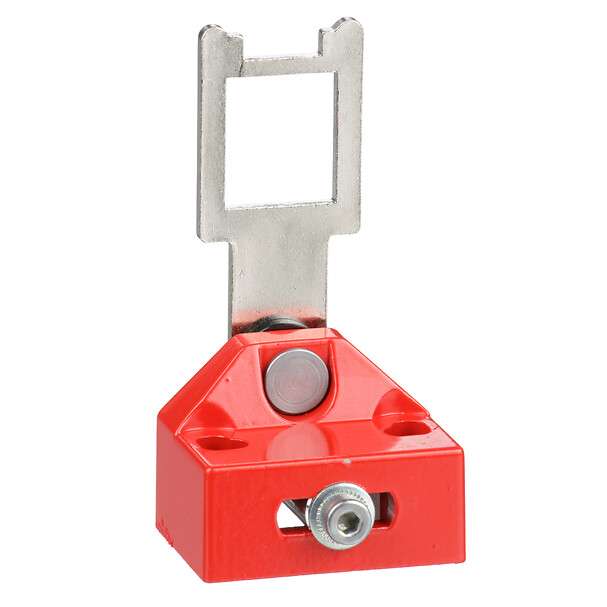
Telemecanique Sensors XCSZ11 Actuator Key: Straight Actuator for Plastic XCS Safety Interlock Switches
The Telemecanique Sensors XCSZ11 actuator key is a straight actuator designed for plastic-body safety interlock switches within the XCS ecosystem. While the switch body contains the contacts and mechanisms, the actuator key is what actually translates door position into a safety signal. In day-to-day industrial use, actuator selection and installation quality heavily influence reliability, because doors are opened repeatedly and the mechanical interface wears long before the electrical elements do.
Where Telemecanique Sensors XCSZ11 Is Typically Applied
A straight actuator is usually selected when a guard door closes in a controlled path and does not twist during closure. Plastic-body interlocks are often used where compactness, corrosion resistance, or weight considerations matter, provided the application environment and safety design support that choice. The Telemecanique Sensors XCSZ11 actuator key is intended to match those plastic switch bodies and provide consistent engagement when mounted correctly.
Typical installations include lightweight access panels on modular machines, guards on small conveyors, and enclosures where the door travel is short and predictable. The common theme is repeatable mechanics.
Why the “Correct Match” Matters
Actuators are not generic.Telemecanique Sensors XCSZ11 is described as a straight actuator for plastic switches, which is a practical reminder that geometry and compatibility are engineered as a set. Using the correct actuator reference reduces installation compromises, which in turn reduces nuisance trips. When an actuator is “almost compatible,” technicians often compensate by mounting at an angle or adding shims, which tends to fail after weeks of vibration.
Installation: Practical Rules for Long-Term Stability
For the Telemecanique Sensors XCSZ11 actuator key, the reliability goal is smooth, repeatable insertion with minimal side force. Achieve that with these practices:
- Rigid mounting plane: Mount the actuator to a stable part of the door, not a flexible cover that bends when pulled.
- Door stop consistency: Use a door stop so the closing position is repeatable and does not rely on the actuator itself as the stop.
- Fastener retention: Select suitable hardware to prevent loosening; actuator creep is a classic cause of intermittent faults.
- Clean insertion path: The actuator should enter without rubbing or catching; rubbing marks are a sign of misalignment.
After installation, perform a simple tactile test: close the door gently and feel for any snag. If it snags, correct alignment now rather than accepting a marginal condition that will become downtime later.
Telemecanique Sensors XCSZ11 Commissioning: Confirm Margin under Real Handling
Commissioning should reflect real operator behavior. Close the door quickly, then slowly, then at typical speed. The safety state should transition consistently each time. Next, open the door slightly and confirm the safety state drops out at a repeatable opening distance. Repeat. If results vary, hinge alignment or mounting rigidity is usually the first corrective action—not rewiring.
Because plastic doors and frames can flex, it is useful to observe the door under normal pulling forces. If the door can be pulled into or out of alignment by hand, consider improving the door latch or stop design.
Maintenance: What to Check First
If the interlock begins to show intermittent states after months of use, inspect the actuator key position and the door mechanics. Look for loosening fasteners, hinge wear, and any change in the closing stop. The Telemecanique Sensors XCSZ11 actuator key should remain fixed in relation to the switch head; if it has shifted, re-align and secure it. Also inspect for cable strain on the switch side, because door motion can transmit force into wiring if strain relief is weak.
For related solutions, visit Telemecanique sensor.
Telemecanique Sensors XCSZ11 FAQ
1) What is XCSZ11?
It is a straight actuator key intended for plastic-body XCS safety interlock switches used on guards and doors.
2) When is a straight actuator appropriate?
When the door closes with a consistent approach path and does not twist significantly during closure.
3) What causes intermittent “door closed” signals?
Actuator shift, hinge wear, and a non-repeatable door stop are common causes.
4) How can I check alignment quickly?
Close the door slowly multiple times and confirm smooth insertion and consistent safety-state transitions.
5) What maintenance action prevents many faults?
Periodic inspection of hinge condition and actuator fasteners, especially on high-cycle doors.